Summary
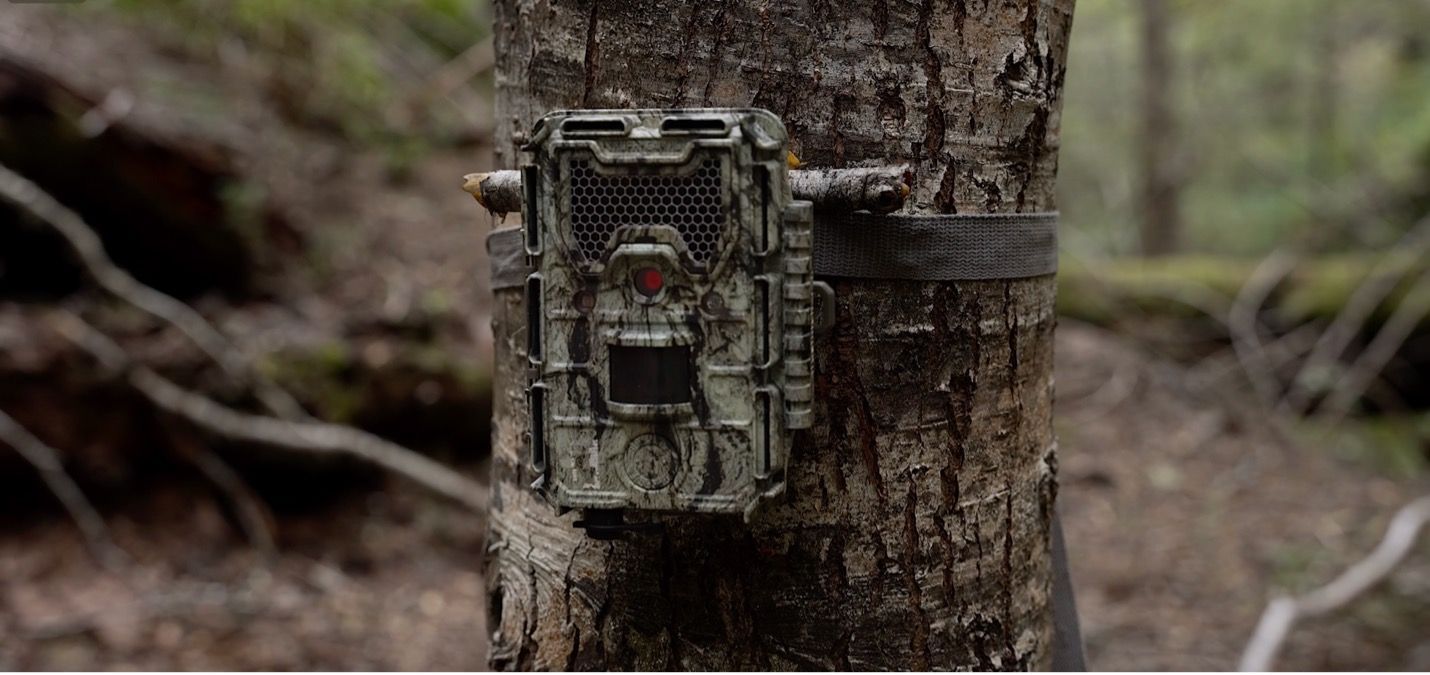
‘Smart’ digital technologies are increasingly being deployed to manage, monitor and transform forest environments globally. This technologisation is occurring in a context where forests are seen as tools to meet environmental targets (namely carbon and biodiversity targets) and deliver other ecosystem services. The Smart Forests research project studies how the emerging technologies of camera traps, eco-acoustics, GPS and remote sensors are proliferating, and what their social-political impacts are or could be. We scan related literature and ask how technologies are used by, with and against forest communities. We then home in on five stories of community engagements with forest technologies from our case study research in Chile, Indonesia, the Netherlands, India, and Scotland. Our findings show that smart forest technologies are changing forest engagements and livelihoods; contributing to uneven resource distribution; transforming forest governance; shifting power dynamics across communities, states, and tech companies; while also enabling forest networks.
These findings lead us to propose strategies to ensure diverse community-led approaches to forest technologies can be effectively designed, implemented and supported. We seek to enable communities, publics, policymakers, industries and NGOs to better understand the social-political impacts of forest technologies as the users, regulators, funders and developers of these devices and infrastructure. We hope this research can contribute to creating just and thriving forest worlds in a time of far-reaching planetary change.